

Why do acne breakouts happen?
Why Do Acne Breakouts Happen?
Acne is one of the most common skin conditions in the world and one of the most frustrating. According to the American Academy of Dermatology, 40 to 50 million Americans are affected by acne each year. If you have ever dealt with breakouts, you already know how discouraging they can be.
But why does acne happen in the first place?
The answer is not just one thing. It is a combination of hormones, oil production, lifestyle habits, genetics, and environmental triggers.
Let’s break it down.

Why Acne Appears on Certain Areas of the Body
Acne most commonly shows up on:
- Face
- Shoulders
- Chest
- Back
These areas contain the highest concentration of oil glands, making them more prone to clogged pores and inflammation.
Acne Isn’t Just a Teen Problem
Although acne is most common between the ages of 11 and 30, it does not always stop there.
Studies show:
- Nearly 75% of people aged 11 to 30 experience acne
- After age 25, acne affects 3% of men and 12% of women
Adult acne is real and often driven by stress, hormones, and lifestyle changes.

Genetics and Daily Habits Matter More Than You Think
If acne runs in your family, you may be more prone to:
- Frequent breakouts
- More severe acne
- Longer lasting flare ups
Daily habits also play a role, including:
- Skincare routines
- Hygiene practices
- Sleep quality
- Stress levels
Does Diet Cause Acne? The Truth
The relationship between food and acne is still debated. While some dermatologists dismiss a direct link, others suggest that diet may influence inflammation and oil production.
Nutrients That Support Healthy Skin
Following a balanced diet will not hurt and may help. Certain vitamins are especially beneficial:
- Vitamin A supports skin cell turnover
- Vitamin D helps regulate inflammation
- Vitamin E protects skin from oxidative damage
Ensuring adequate intake of these nutrients may reduce the risk of breakouts.
Laundry Detergent: An Overlooked Acne Trigger
Surprisingly, your laundry detergent could be contributing to acne, especially body acne.
Some detergents contain:
- Harsh chemicals
- Artificial dyes
- Strong fragrances
These residues can irritate the skin when they come into contact with:
- Clothing
- Bedsheets
- Pillowcases
What to Look For Instead
Choose detergents that are:
- Dye free
- Fragrance free
- Dermatologist tested
- Made for sensitive skin
Acne Treatment Takes Time
One of the biggest mistakes people make is expecting instant results.
What to Expect When Starting Treatment
- Breakouts may continue during the first few weeks
- Skin often goes through an adjustment phase
- Visible improvements typically take 1 to 3 months
This is completely normal. Giving up too soon can prevent your skin from ever reaching its healing phase.
Topical Products Aren’t Enough on Their Own
Skincare products matter, but they are not the whole solution.
Lifestyle Habits That Affect Acne
- Sleep: Poor sleep disrupts hormone balance
- Stress: Triggers oil producing stress hormones
- Exercise: Helps regulate hormones and reduce inflammation
When you are stressed, your body releases hormones that stimulate oil glands, increasing the chance of clogged pores.
Simple Stress Reduction Tips
- Exercise regularly
- Practice meditation or breathing exercises
- Schedule downtime or personal time
- Maintain a consistent sleep routine
Reducing stress helps your body and your skin recover.
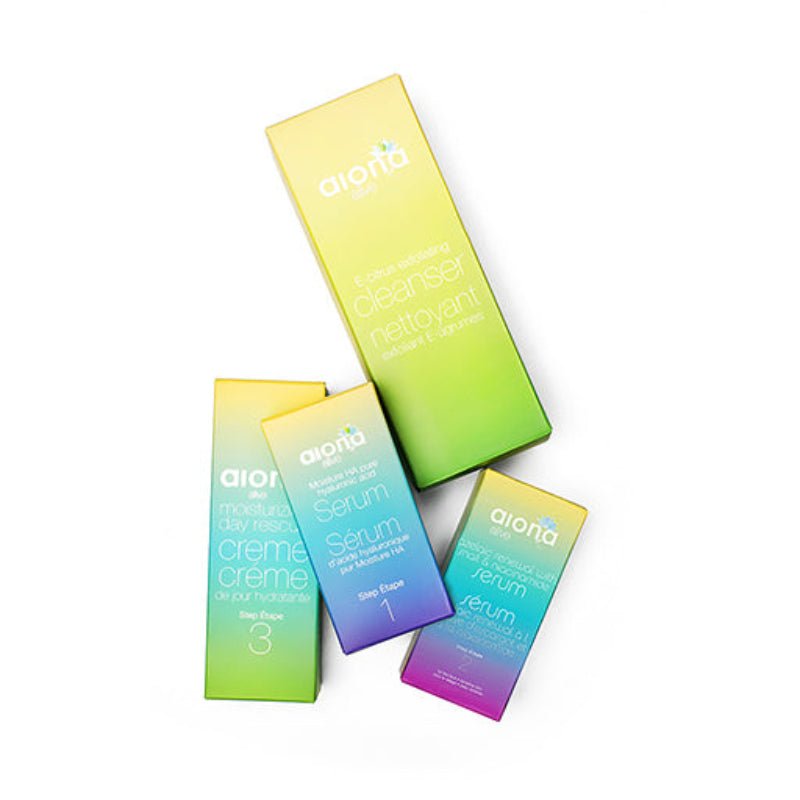
4 Step Acne Treatment Set
Final Thoughts: Why Acne Happens and What You Can Do
Acne breakouts do not happen overnight, and they rarely have just one cause. Hormones, oil production, genetics, stress, diet, and even laundry detergent all play a role.
The key to clearer skin is:
- Understanding your triggers
- Being consistent with skincare
- Supporting your body with healthy habits
- Practicing patience
Clear skin is a process, not a quick fix.